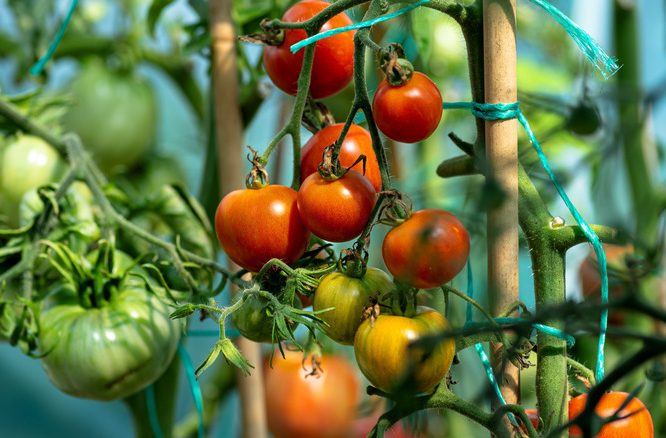
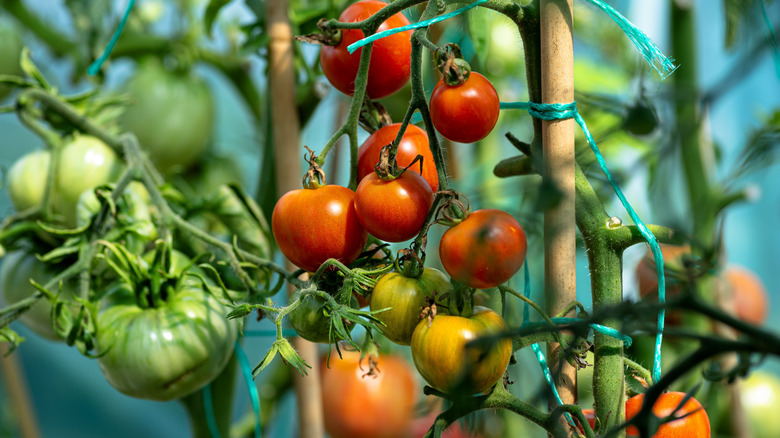
There is co-dependent, and then there are tomatoes. This favorite fruit to grow when summer hits needs a lot of TLC and time in the sun. As the story goes, they require 6-8 hours of sunlight every day. They are the middle child incarnate. Tomato plants are super needy. This is largely due to the fact that they need the energy to allow for photosynthesis to take place, or rather, the process of the plant taking the sun’s energy and converting it to food. Without this critical source, there would be no tomatoes.
This need for the spotlight is why it is important to choose the best spot for your tomatoes. This energy allows a tomato plant to grow deep roots. It also helps structurally. The sun will help tomato plants produce sturdy stems, leaves, and the essential flowers, which means more fruit. The more sunlight, the more little red tomatoes you will be picking off the vines. Select a spot that receives direct sunlight, but a spot that also doesn’t get so much sun that it scorches the plants and fruits.
What lack of sun looks like
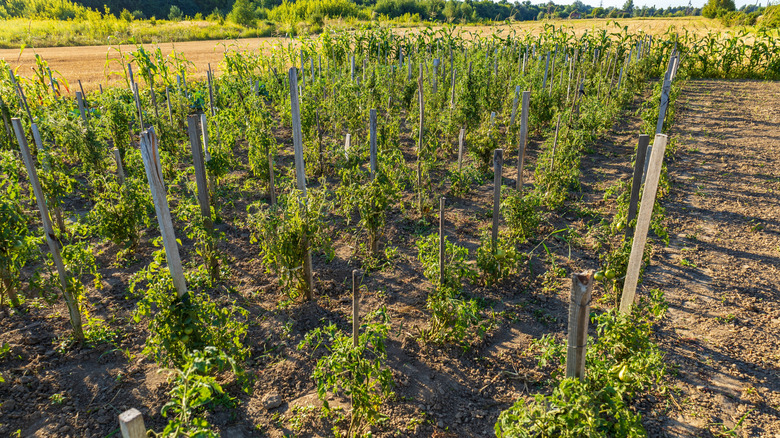
How can you tell if your tomato plants aren’t receiving enough sunlight before it’s a lost cause? If your tomato plants aren’t thriving, they will look smaller than normal and leggy, meaning they are searching for sunlight but cannot find it. These plants will contain fewer leaves, and those leaves will have a yellow hue because of the lack of chlorophyll. Additionally, if they do produce fruit, the tomatoes will be smaller and less flavorful than what our taste buds are hoping for. This is not ideal for your favorite BLT sandwich or tomato caprese salad, where this garden gift is the star of the show.
Of course, yellow leaves can also be an indication of too little nitrogen in the soil. If your plants are getting plenty of direct sun and this occurs, you may want to test the soil. Tomato plants like the soil to be slightly acidic, and a little lime can help solve the problem if it isn’t. If you love the red fruits your plants produce, you can save the tomato seeds in a paper towel and plant them the following year.