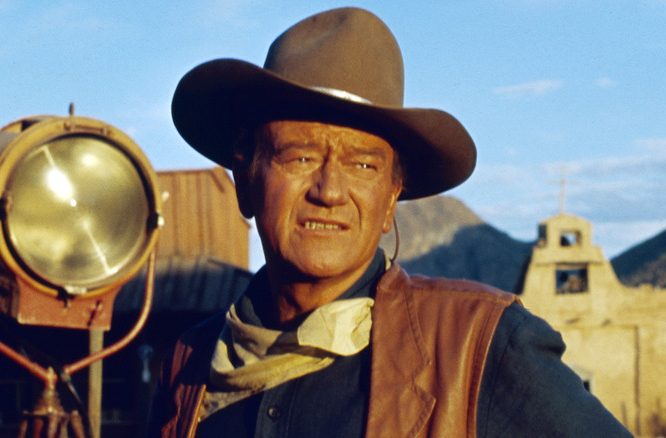
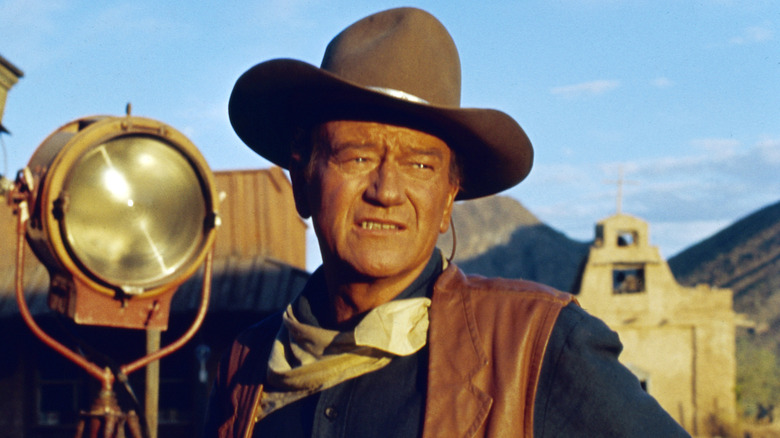
Every cut of steak comes with its pros and cons. For instance, filet mignon is tender and buttery, but will cost you an arm and a leg. Meanwhile, a hefty Porterhouse is ideal for larger appetites but can cook unevenly due to the bone in the middle. The bottom line? It all comes down to personal preference. Actor John Wayne’s go-to steak cut, for example, is chunky and flavorful but requires some skill to cook to perfection due to its rich marbling. Its name — the cowboy steak — is an ode to the Wild West and reflects the movie star’s body of cinematic work, which featured wranglers, gunslingers, and buckaroos.
A cowboy steak is a variety of bone-in ribeye steak and also happens to be the star of the show in the recipe for peppered cowboy steak featured in “The John Wayne Way to Grill cookbook.” The bone in this very thick cut of beef is cleaned to lend it a striking but neat presentation. Known as ‘frenching’, this technique is also used on racks of lamb and lamb chops to give them a restaurant-worthy appearance. What you might not know about ribeye steak and cowboy steak is that they’re also very similar in appearance and method of cooking to a tomahawk steak. The latter simply has a much longer bone (its moniker comes from the way it resembles a native American hatchet, known as a tomahawk, which has a lengthy handle). The abundance of fatty marbling in a cowboy steak renders out as it cooks, resulting in a final dish that’s succulent and tender.
How did John Wayne cook his cowboy steak?
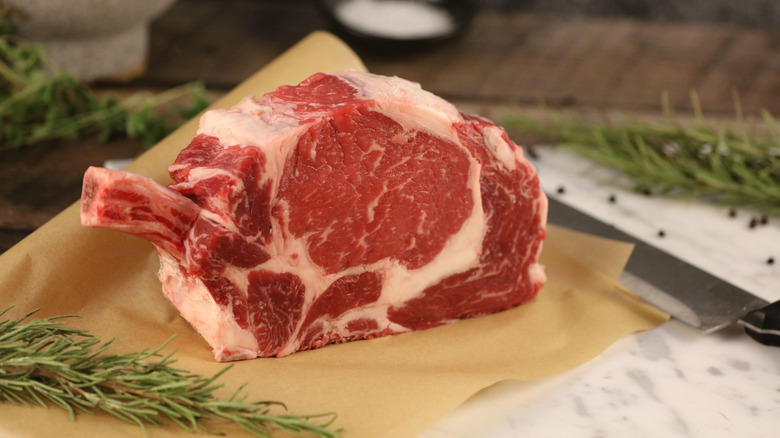
Peppered cowboy steaks are made by brushing the surface of the meat with oil before rubbing over a seasoning blend made of pepper, thyme, garlic powder, lemon powder, parsley flakes, and salt ( a dash of ground red pepper is added too to give the meat a warming kick). The steaks are then left to marinade in the fridge for an hour, which provides plenty of time to fire up the grill to medium-high. The steaks are cooked on the grill with the lid shut for 8-10 minutes on each side. Keeping the lid closed does two things. Firstly, it traps the heat inside and promotes even cooking. Secondly, it contains any flare-ups and smoke generated by the rendered fat.
Meanwhile the bone insulates the meat that immediately surrounds it, helping it cook on the inside. According to a Wayne family tip, “a bone-in steak will always have a bit more flavor than a cut off the bone. You can cover any exposed bones on your steaks with aluminum foil to keep them from charring as you grill.” Of course, the bone also makes the steak look more appetizing on the plate, lending it a refined but hearty structure.